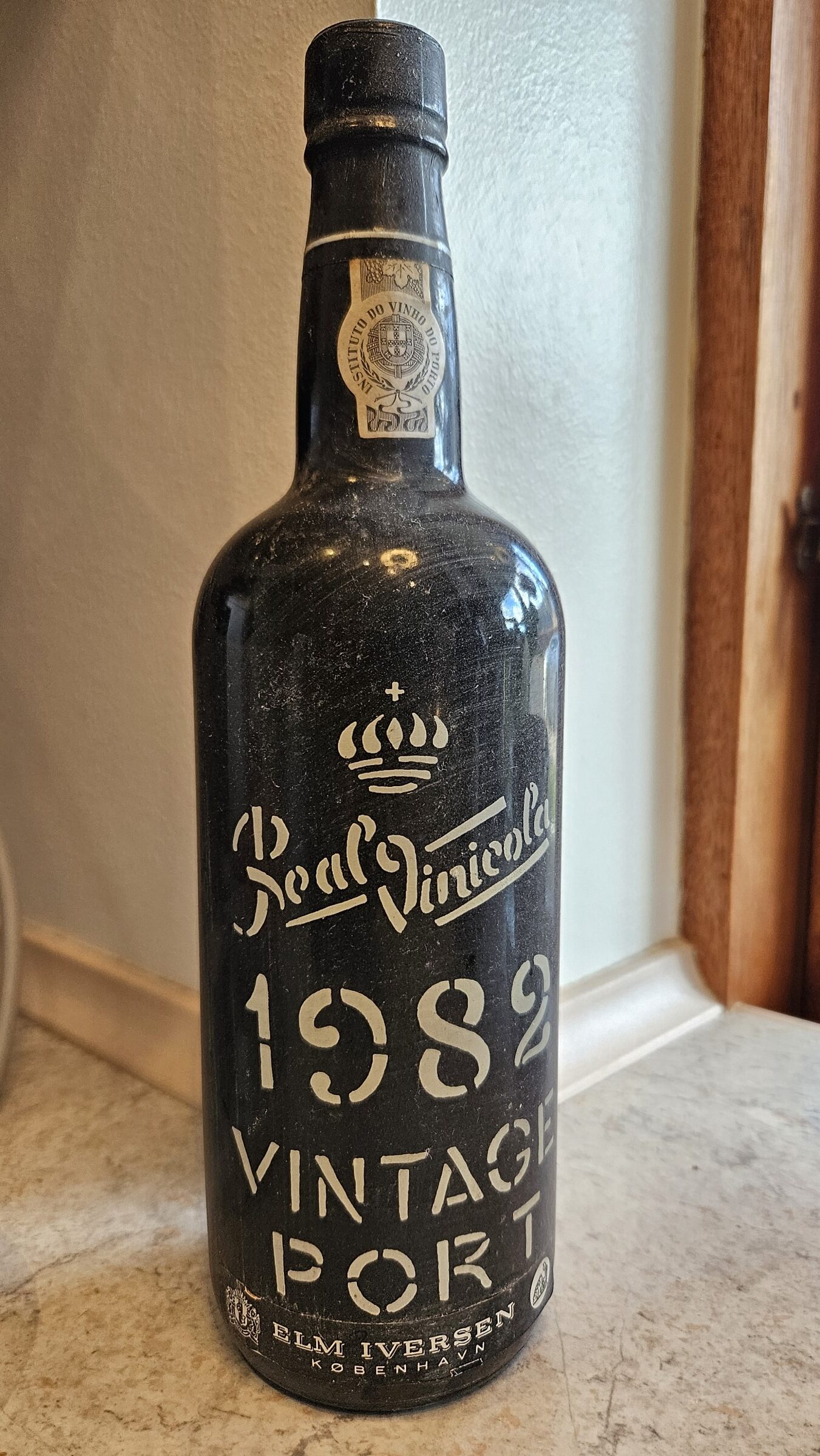
I bought this 750 ml glass bottle Vintage Port, at 20% alcohol, back in 2015. It was at the price of 44 Euro, from a Internet based Port specialized wine shop.
Taste notes right after opening and start of decantation:
Clear and dark red in the color.
Good aroma, fruited, but not powerful. Alcohol is low and not dominating.
Powerful tannin, very thick in the body, burns with a good fruit balance. Fruit notes and cask go well in play with each other.
Intermediate rating 89 / 100
Taste notes 4 hours after decanting:
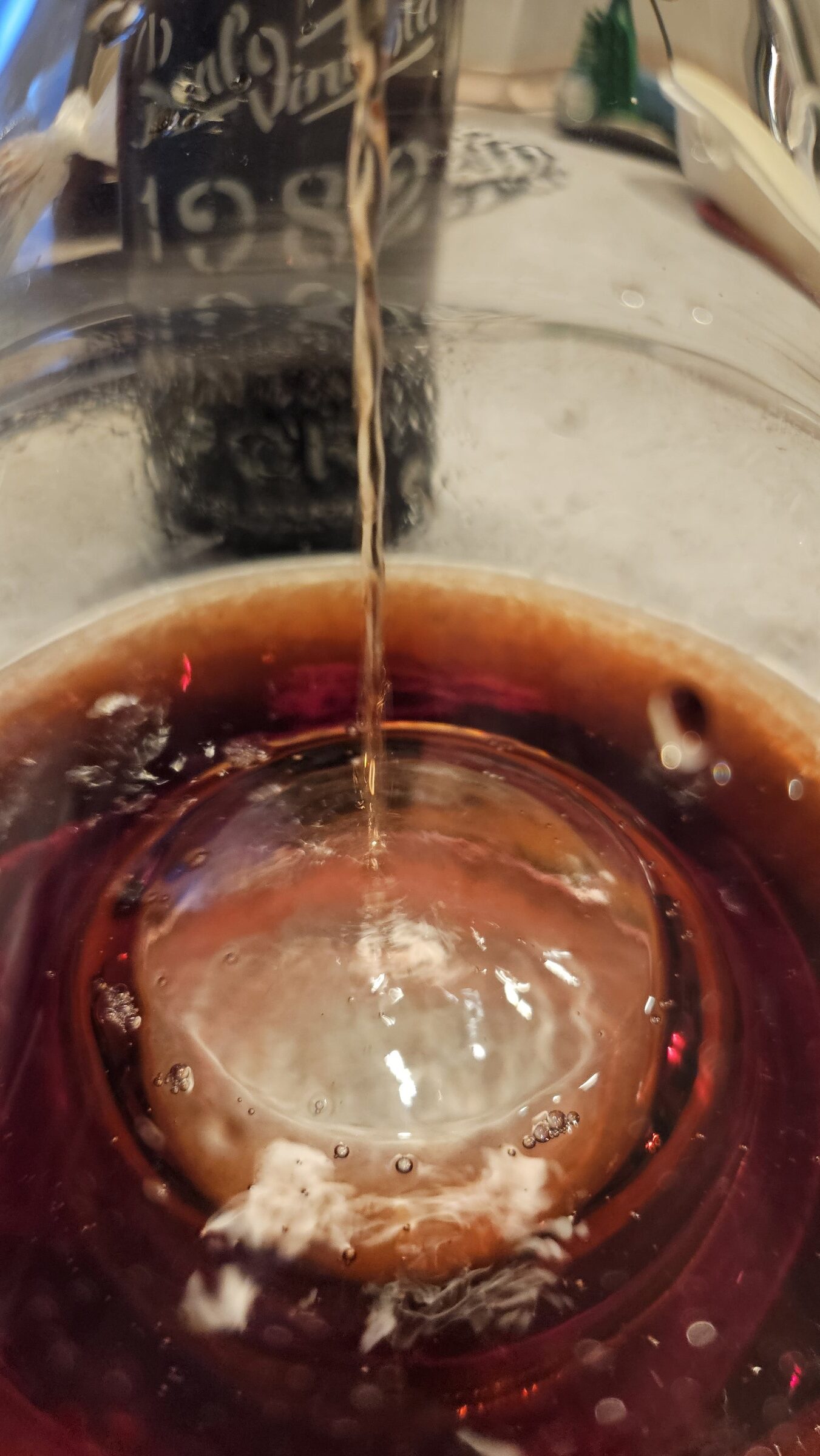
The wine has gotten darker from the aeration.
Aroma seems unchanged.
Solid and full-bodied tasting experience. Cask notes, thick and delicious!
The name Quinta do Noval first appeared in land registers in the year 1715. António José da Silva, a Port shipper from Gaia, father-in-law of Luiz Valsconcelos Porto, acquired Quinta do Noval in 1894 after its devastation by phylloxera. He restored the property by replanting its vineyards.
A new bottling line and warehouse was completed in 1997 in Alijo, near to Pinhão. This project made Quinta do Noval the first of the traditional Port shippers to centralise all its activities in the Douro Valley rather than in Vila Nova de Gaia near Porto.
I bought this 750 ml glass bottle Vintage Port, at 20% alcohol, back in 2014. It was at the price of 29 Euro, from a Internet based Port specialized wine shop.
Taste notes after decanting
Thin bodied, fine red color with slightly brown notes.
Good fruited aroma with a dominating alcohol. With aeration, the alcohol takes a step back and let the fruit aroma evolve.
Dry and hard tannins, the taste comes off with a punch, but the fruit notes remains a bit thin. After taste sports a good dried fruits and raisins.
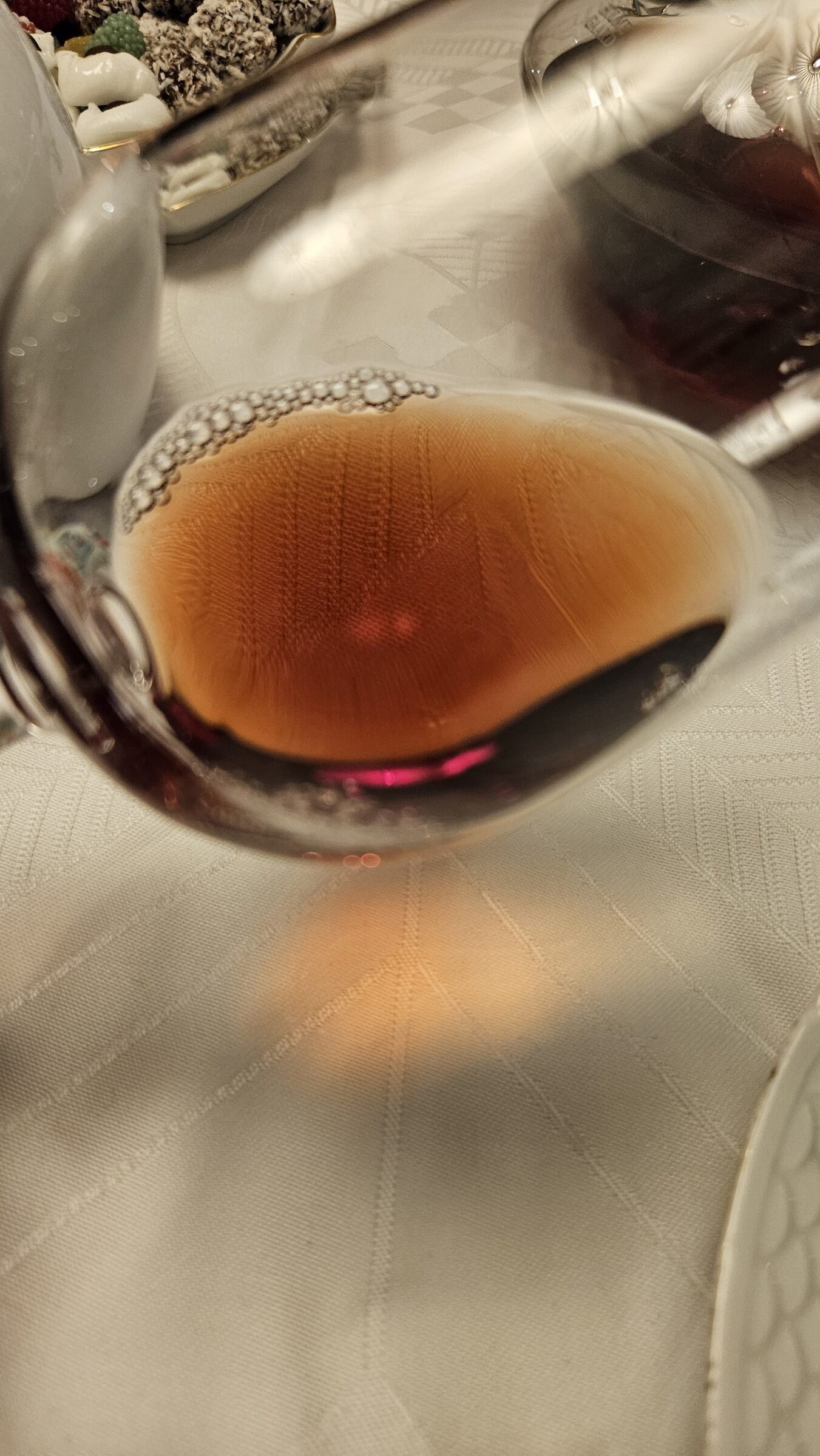
Clear wine with a brown color and red notes in the shine. Large and hanging curtains of alcohol on the side of the glass.
Powerful aroma of dark dried fruits, comes off as mature and complex. Alcohol is however dominating here in the start.
Low on tannins and acid. Powerful in the taste. Alcohol is warm, but not dominating, after taste ends out in pure liquid raisins. Seems over matured, as it is not well balanced in its taste.
Intermediate rating 85 / 100
Taste notes 4 hours after decanting
Slightly darker in the color, but still more brown than red.
Less alcohol dominating the aroma.
Taste and feeling on the palate remains the same. No change from the exposure to oxygen.
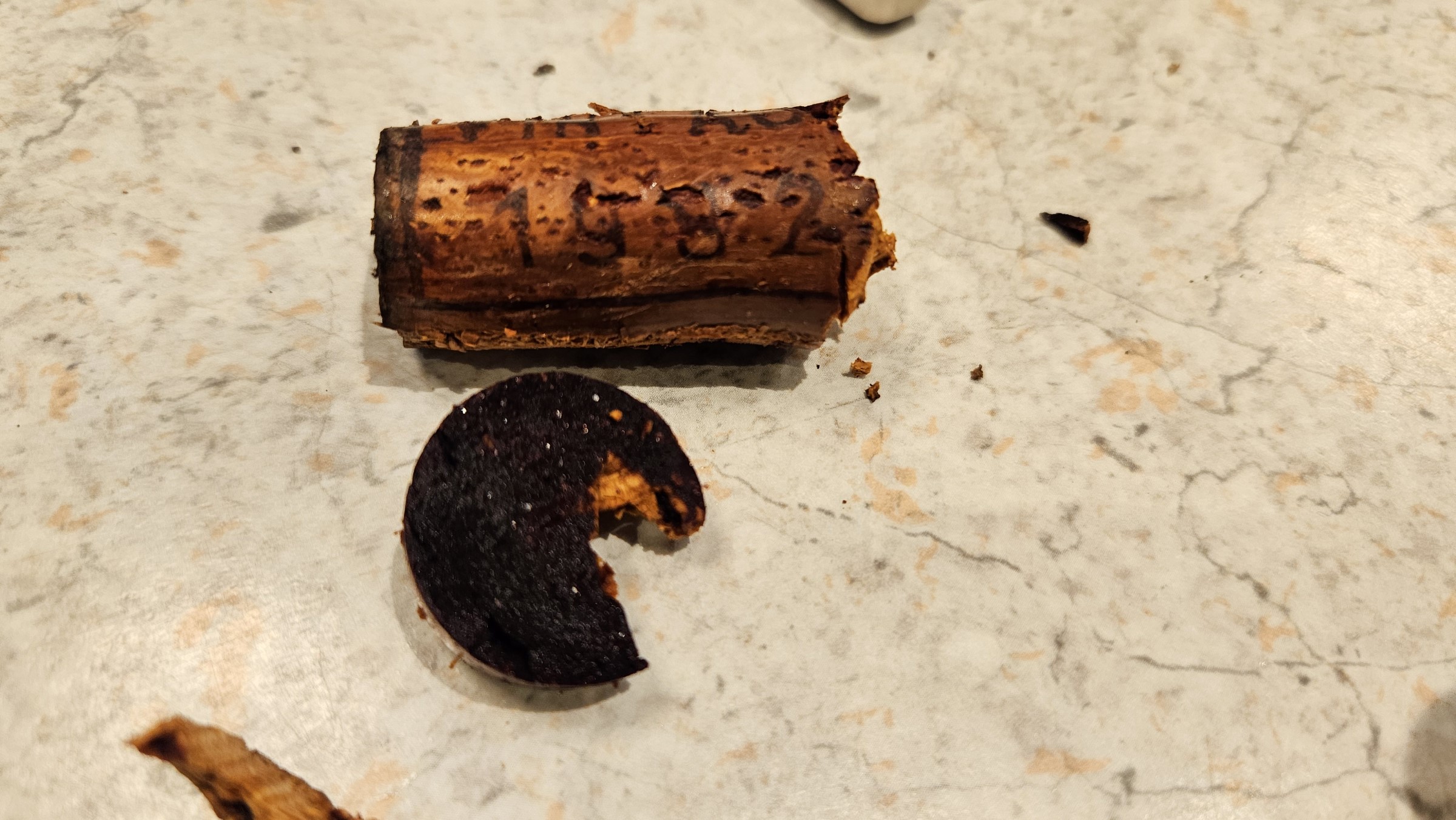
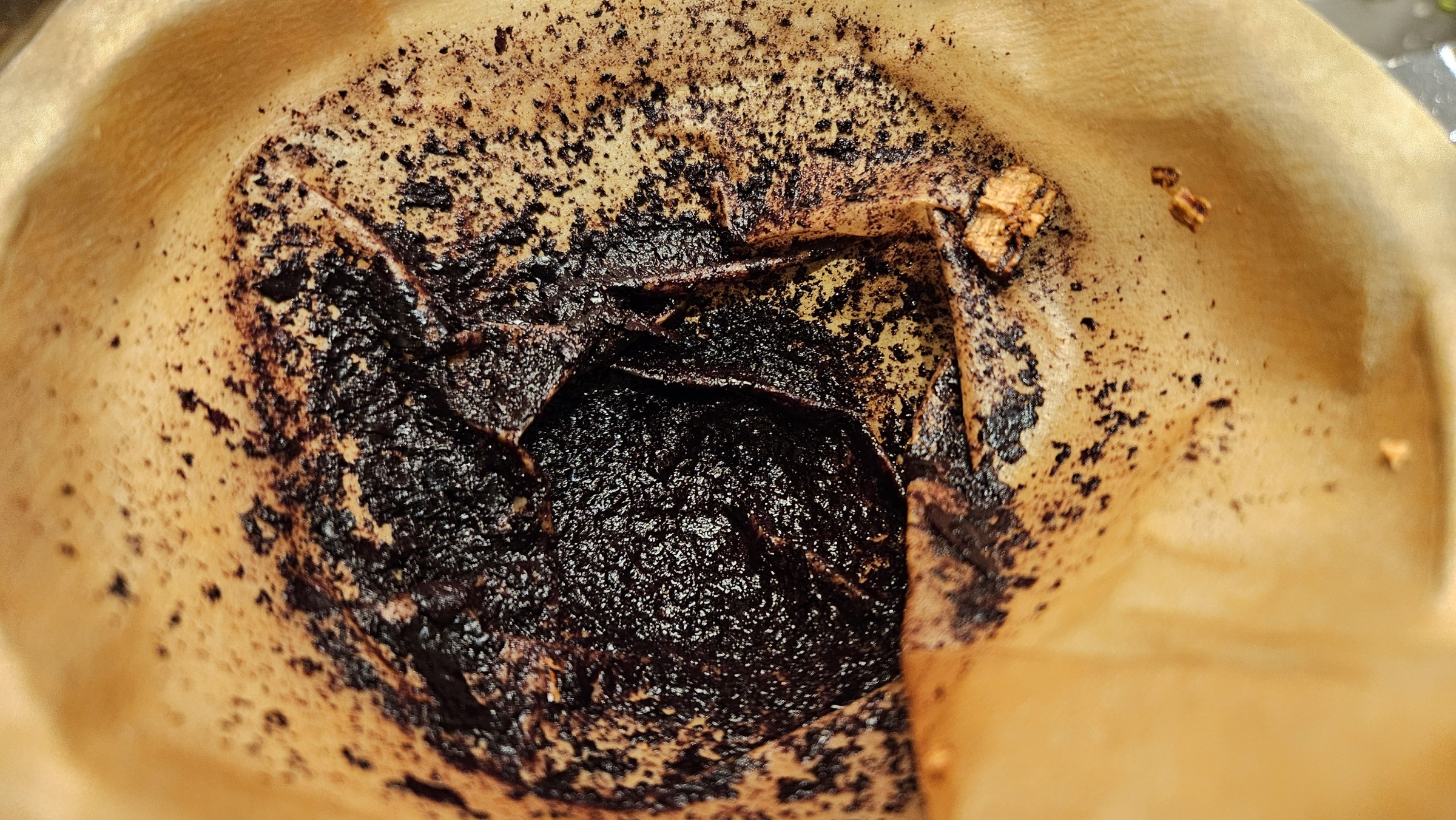
The cork got completely destroyed due to age and being soaked in wine.
Taste notes right after opening and decanting
Peach in the color with nice big curtains on the side of glass.
Hard hitting alcohol in the aroma, has a weak scent of fruit and cask.
High acid and hard alcohol at the start of the taste. Develops into a complex old smoked note. Dried fruits and especially raisin goes up in pace in the after taste. Ends as a complete raisin bomb.
Intermediate rating 88 / 100
Taste notes 4 hours after decanting
The color has turned slightly darker.
Much less alcohol in the aroma, fruit stands out better.
Spiced in the aroma, with a dominating alcohol, hiding the weak fruit scents.
Taste comes off as sweet with good tannins, already a good composition. Ends off with a good dried fruits in the after taste, but still too thin in the taste.
Intermediate rating 85 / 100
Taste notes 4 hours after decanting
Color has gotten darked, resampling blood.
Light fruit notes to the aroma.
Good full bodied in the taste, tannins are still in balance with the fruit. But overall it is still too light in taste and after taste.
This is one of those mysterious bottles of Port. There is no way of knowing if it is going to be good or bad. I bought this 750 ml glass bottle, with very little information and fortunately at only 15€.
The bottle comes with a story. A fellow Dane had a Portuguese friend, who visited Denmark in the mid-seventies. As a gift, he brought him two bottles of Port. A “Borges Vintage Port 1970” and a bottle only labelled “I.V.D.P Vinho do Porto 1946”. The story of the latter, it is supposedly a cask sample from the Port Wine Institute, but there is no evidence backing that up. But that is the story of this 77 year old Port.
Before opening the bottle, it was still completely unknown, where it was from and who made it. Revealing a Borges cork, was very reassuring to the history and that it was given together with another Borges Port.
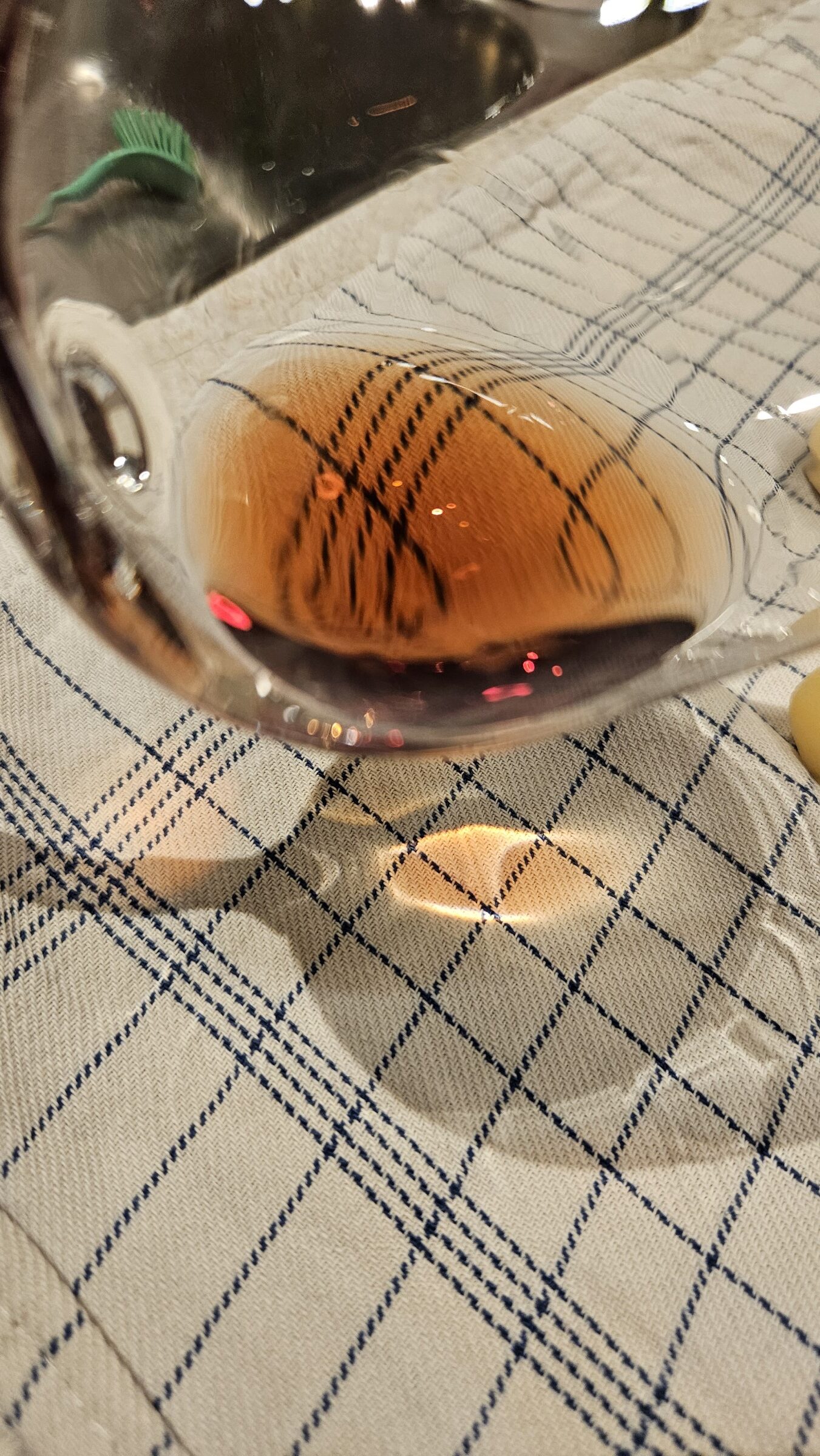
The wine is very clear with a light brown color, shining notes of orange.
The aroma has many facets. Cask, oak, spicy and very dry dried fruits and still with a dominating alcohol, right after opening. It was afterwards only decanted for an hour.
The taste comes off a bit flat from the start. It is a very sweet wine, but yet with some complexity to it. Extreme long after taste, which eventually reveals notes of cask and smoke. A very interesting taste experience that is hard to describe. There was just some notes in the taste, that even old Vintage Port like 30 years, does not have, and yet on the other side, it was also over age.
12 hours after opening, it has turned completely into Madeira, but with less life to it.